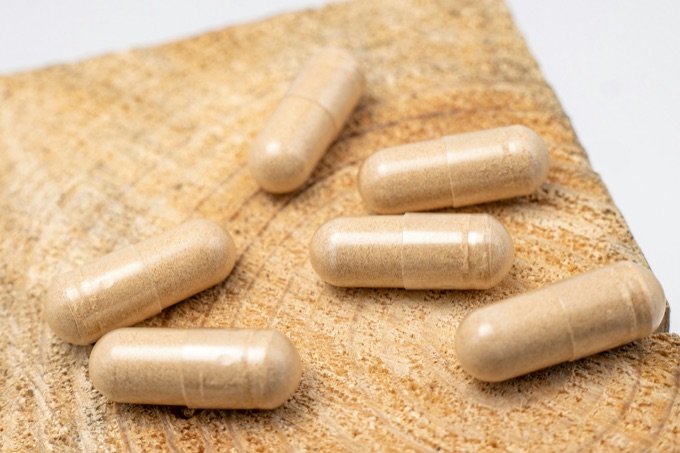
Ashwagandha: The Adaptogen With Real Evidence — and Real Hype
Ashwagandha is the rare herbal supplement with a genuine stack of human trials behind it — mostly for stress, anxiety and sleep. But it's also wrapped in claims it can't support. Here's what the evidence actually shows, why the "cortisol" story connects to your stress genetics, how to pick a real extract, and where the hype outruns the data.
1. What ashwagandha is — and what it actually does
Ashwagandha is a root extract from Withania somnifera, a shrub used in Ayurvedic medicine for centuries and now one of the best-selling herbal supplements in the West. It's classed as an adaptogen — a loosely-defined term for plants said to help the body cope with stress. Unusually for a herbal remedy, that claim has been put to the test in a respectable run of randomised controlled trials, and the results are more than nothing.
The best-supported effect is on stress and anxiety: across several trials, standardised extracts lowered self-reported stress and, notably, reduced serum cortisol — the body's main stress hormone. There's also reasonable evidence it improves sleep quality. Beyond that — testosterone, muscle strength, fertility, cognition — the trials get smaller, shorter and shakier, even if the marketing treats them as settled.
2. Genes & ashwagandha — an honest look at a weak link
Here's where we differ from the marketing. Unlike iron or B12, there are no well-established gene variants that change how you absorb or respond to ashwagandha — the "personalised adaptogen" pitch is ahead of the science. What genetics can tell you is something more useful and more honest: how your underlying stress machinery is wired, and therefore how much room a stress-targeting supplement has to help.
FKBP5 shapes how your HPA axis — the cortisol system ashwagandha appears to act on — recovers after stress, and its variants are linked to stress reactivity and resilience. COMT influences how quickly you clear dopamine and adrenaline in the prefrontal cortex, colouring how strongly you feel stress in the first place. Neither is a switch that says "ashwagandha will work for you." But if your stress genetics lean toward a reactive, slow-to-settle profile, a cortisol-lowering adaptogen is at least aimed at the right target.
We rate ashwagandha Tier 2 for stress, anxiety and sleep — real RCT support, though many trials are small and industry-funded, so keep expectations modest. We rate it Tier 3 for testosterone and strength: interesting, not proven. And we're deliberately blunt that the genetic connection is indirect (Tier 3): your DNA doesn't predict your ashwagandha response, but genes like FKBP5 and COMT describe the stress system it targets. We'll show you that stress-genetics picture — not a fake "your genes say take ashwagandha" verdict.
3. Who's likely to feel it — and who won't
People under chronic, ongoing stress, with anxiety symptoms, or with stress-driven poor sleep. This is where the trials were run and where effects show up — including measurable drops in cortisol. If a racing, wired-and-tired feeling is your baseline, this is the group most likely to notice something.
Already-calm people chasing an edge, or those hoping for a testosterone or muscle shortcut. With low baseline stress there's little cortisol to lower, and the performance claims rest on weak data. It's also not a treatment for a clinical anxiety or mood disorder — that needs proper care, not a supplement.
Because ashwagandha's headline effect is lowering cortisol, its benefit is largest when your cortisol is elevated to begin with. That's the logic behind targeting it at stressed, poor-sleeping people rather than everyone — and why a calm, well-rested person often feels nothing. It's a corrective, not a stimulant.
4. Forms: KSM-66, Sensoril and why standardisation matters
Standardised root extracts (KSM-66, Sensoril)
Almost all the good trials used a standardised extract — most often KSM-66 (a root-only extract) or Sensoril (root and leaf, higher in withanolides). These are standardised to a set percentage of withanolides, the active compounds, so you actually get what the studies tested. If you're going to try ashwagandha, use one of these named extracts — it's the single most important choice.
Raw root powder
Cheaper and traditional, but unstandardised — potency varies wildly batch to batch, and it wasn't what the trials used. Fine as a traditional preparation, unreliable if you want the studied effect.
"Adaptogen blends" and gummies
Proprietary blends often hide how much real extract you're getting behind a wall of other ingredients. If the label won't tell you the extract name and withanolide percentage, assume you're paying for marketing.
5. Lifestyle first — what it can't replace
Ashwagandha is not a food and not a nutrient you can be "deficient" in, so the framing is different from a vitamin: it's an optional tool layered on top of the basics. And the basics do far more for cortisol and sleep than any capsule — consistent sleep timing, daylight, exercise, limiting late caffeine and alcohol, and actually reducing stressors. A supplement that nudges cortisol down a little can't out-run a chronically overloaded life. Get those levers moving first; treat ashwagandha as a possible assist, not the fix.
6. Dosing, timing & how long to give it
Trial doses cluster around 300–600 mg/day of a standardised extract, often split into two doses or taken as a single evening dose when sleep is the target. Effects on stress build over weeks, not hours — most studies ran 6–8 weeks, so judge it over a couple of months, not a couple of days.
Pick a named standardised extract (KSM-66 or Sensoril), start at the lower end, and give it a defined 6–8 week trial with a clear question: is my stress, sleep or anxiety measurably better? If yes, continue and reassess periodically; if nothing's changed after two months, it's probably not your supplement. There's no strong case for taking it indefinitely "just because."
7. Safety — the one that isn't harmless
Ashwagandha is well-tolerated for most people in trials — mild drowsiness or stomach upset are the usual complaints. But unlike a water-soluble vitamin, it carries some real cautions. There have been case reports of liver injury linked to ashwagandha products, so it's not risk-free, and quality varies between brands. It can lower blood sugar and blood pressure, and may interact with sedatives, thyroid medication, diabetes and blood-pressure drugs, and immunosuppressants.
Practical rules: avoid it in pregnancy (traditionally regarded as unsafe), be cautious if you have thyroid conditions or autoimmune disease, stop it well before surgery, and check with a doctor if you take any of the medications above or develop symptoms like unusual fatigue, dark urine or yellowing skin. "Herbal" does not mean "harmless."
8. The science
9. References
- Chandrasekhar K, Kapoor J, Anishetty S. A prospective, randomized double-blind, placebo-controlled study of safety and efficacy of a high-concentration full-spectrum extract of ashwagandha root in reducing stress and anxiety in adults. Indian J Psychol Med. 2012;34(3):255-262. PMID: 23439798.
- Pratte MA, Nanavati KB, Young V, Morley CP. An alternative treatment for anxiety: a systematic review of human trial results reported for the Ayurvedic herb ashwagandha (Withania somnifera). J Altern Complement Med. 2014;20(12):901-908. PMID: 25405876.
- Lopresti AL, Smith SJ, Malvi H, Kodgule R. An investigation into the stress-relieving and pharmacological actions of an ashwagandha (Withania somnifera) extract. Medicine (Baltimore). 2019;98(37):e17186. PMID: 31517876.
- National Center for Complementary and Integrative Health (NIH). Ashwagandha — information for consumers and professionals.
10. Related reading
How is your stress system wired?
Ashwagandha targets cortisol — so the useful question isn't "is it magic," it's how reactive your stress machinery is to begin with. KortexDNA reads your FKBP5, COMT and related stress genetics so you can decide whether a cortisol-lowering tool is even aimed at your profile.
Get Your ReportIf you believe any information in this article is inaccurate or outdated, please let us know. We continuously review and update our content based on the latest peer-reviewed research to ensure the highest accuracy.