NAC: A Real Drug That Moonlights as a Supplement
N-acetylcysteine is unusual: it's a genuine hospital medicine — the antidote that saves lives after a paracetamol overdose — that also sits on supplement shelves labelled "antioxidant" and "detox." The clinical uses are real and well-proven; the everyday wellness claims are much shakier. Here's what NAC actually does, why it's tangled up in a regulatory fight, and how your glutathione genes fit in.
1. What NAC is — glutathione's building block
NAC is a stable, acetylated form of the amino acid cysteine. Its importance comes from what cysteine is used to make: glutathione, your cells' master antioxidant. Cysteine is the rate-limiting ingredient in building glutathione, so supplying NAC gives your body the raw material to top up glutathione — which is exactly why it works as a paracetamol antidote (an overdose burns through glutathione and destroys the liver; NAC refills the tank). NAC also has a second, direct action: it breaks up mucus by cleaving the bonds that make phlegm thick, which is why it's used in lung conditions.
Those two mechanisms — replenishing glutathione and thinning mucus — give NAC a set of genuinely proven medical roles. The trouble starts when that legitimate biology gets stretched into vague "antioxidant" and "detox" promises for healthy people, where the evidence is far thinner.
2. Genes & your antioxidant machinery
No gene predicts your response to NAC, but the system it feeds — your glutathione and antioxidant defences — is genuinely shaped by genetics. GPX1 codes glutathione peroxidase, the enzyme that actually uses glutathione to neutralise damaging peroxides. GSTP1 and the other glutathione S-transferases use glutathione to detoxify harmful compounds. And SOD2 handles a different arm of antioxidant defence in your mitochondria. Common variants in these genes are associated with differences in how well you handle oxidative stress.
The honest framing: these genes describe your built-in antioxidant capacity, not whether NAC will help you. Someone whose GPX1, GSTP1 and SOD2 profile suggests a lower antioxidant reserve carries a bit more theoretical oxidative burden — useful context — but that's a long way from "your DNA says take NAC." We use your antioxidant genetics to describe your machinery; NAC's value still depends on having an actual reason to use it.
NAC earns Tier-1 evidence for its medical uses — the paracetamol-overdose antidote is life-saving, and it's an established mucolytic that can reduce COPD flare-ups. It has promising Tier-2/3 evidence in psychiatry (OCD-spectrum, addiction) as a glutamate modulator. We rate it weak as a general antioxidant/"detox"/liver/anti-ageing pill for healthy people, who make their own glutathione. The genetic angle is Tier 3: glutathione-pathway genes (GPX1, GSTP1, SOD2) map your antioxidant defences but don't prescribe NAC. Our take: respect NAC as the real drug it is, use it for a real reason, and don't buy the wellness gloss.
3. Proven, promising, and unproven uses
Paracetamol overdose — the standard, life-saving antidote (a hospital treatment, not self-care). Mucolytic — thins mucus and can reduce exacerbations in COPD and chronic bronchitis. These are established, evidence-backed uses.
General "detox," liver cleanse, antioxidant boosting and anti-ageing in healthy people. Popular, plausible-sounding, but not backed by solid outcomes — a healthy body already makes the glutathione it needs. The immune/respiratory hype (including pandemic-era claims) is likewise unproven.
4. The intriguing psychiatric evidence
The most genuinely interesting frontier for NAC is mental health, where it acts not just as an antioxidant but as a modulator of glutamate, a key brain signalling chemical. Randomized trials have shown benefit in the OCD spectrum — most notably trichotillomania (compulsive hair-pulling) and skin-picking — and there's promising, if mixed, evidence for a supporting role in addiction (reducing cravings in cocaine, cannabis and smoking), and in bipolar depression.
This is real, if still-maturing, science — and a good example of a supplement with legitimate therapeutic potential. But it's therapeutic medicine territory: these uses involve specific conditions and doses and belong with a clinician, not a self-directed wellness routine. It's a reason to take NAC seriously, not a reason to treat it casually.
5. The regulatory oddity
Here's a wrinkle unique to NAC. Because it was approved as a drug decades ago (in the 1960s), the US FDA has argued that NAC can't legally be sold as a dietary supplement — a supplement can't contain something first approved as a medication. Enforcement has wavered, and NAC remains widely available, but the episode is a useful reminder: NAC really is a drug, not a gentle botanical, and its own regulator treats it that way. Whatever you think of the rule, it underlines the theme of this article — respect NAC's potency and use it deliberately.
6. Forms & absorption
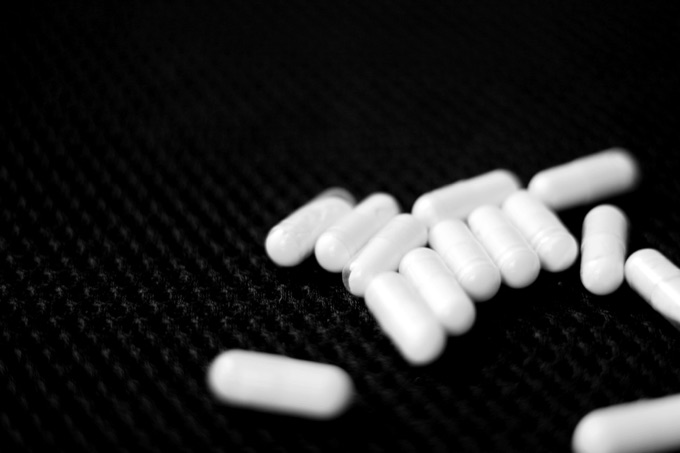
NAC (oral capsules/tablets)
Standard oral NAC is what most supplement and many clinical uses rely on. Oral bioavailability is modest, which is part of why doses are in the hundreds-to-thousands of milligrams. It's effective for raising cysteine/glutathione and for mucolytic use.
Effervescent & liquid
Used clinically (e.g. for mucus or antidote dosing); the sulfurous taste and smell are notorious but harmless.
Newer derivatives
Forms marketed for better absorption or stability exist, but plain NAC is the well-studied default. For the overdose antidote, dosing and route are strictly a hospital matter — never a DIY endeavour.
7. Food — cysteine & glutathione from the plate
You don't take NAC itself from food, but you do get its building block, cysteine, from protein-rich foods — poultry, eggs, dairy, and especially whey protein, which is notably cysteine-rich and can support glutathione levels. Sulphur-containing vegetables (garlic, onions, cruciferous veg like broccoli) also support the body's antioxidant and detoxification systems. For a healthy person, adequate protein and a plant-rich diet supply what's needed to maintain glutathione — which is precisely why routine NAC supplementation adds little for the well. Food covers the baseline; NAC is a targeted top-up for specific situations.
8. Dosing & safety
Common supplemental doses are 600–1800 mg/day; psychiatric trials have used up to 2400–3000 mg/day, and mucolytic use has its own regimens. NAC is generally well tolerated, with nausea and digestive upset the usual complaints and a characteristic sulphur smell. Cautions: it may rarely trigger bronchospasm (relevant in asthma), has mild blood-thinning potential and can enhance the effect of nitroglycerin (blood-pressure drop). The paracetamol-overdose use is an emergency medical treatment — if an overdose is suspected, seek emergency care immediately; do not attempt to self-treat with supplements. Check with a doctor before use if you take medication, have asthma, or are pregnant.
9. The science
10. References
- Prescott LF, Park J, Ballantyne A, et al. Treatment of paracetamol (acetaminophen) poisoning with N-acetylcysteine. Lancet. 1977;2(8035):432-434. PMID: 71287.
- Grant JE, Odlaug BL, Kim SW. N-acetylcysteine, a glutamate modulator, in the treatment of trichotillomania: a double-blind, placebo-controlled study. Arch Gen Psychiatry. 2009;66(7):756-763. PMID: 19581567.
- Deepmala, Slattery J, Kumar N, et al. Clinical trials of N-acetylcysteine in psychiatry and neurology: a systematic review. Neurosci Biobehav Rev. 2015;55:294-321. PMID: 25957927.
- Poole P, Sathananthan K, Fortescue R. Mucolytic agents versus placebo for chronic bronchitis or chronic obstructive pulmonary disease. Cochrane Database Syst Rev. 2019;5(5):CD001287. PMID: 31107966.
11. Related reading
How strong is your antioxidant defence?
Your glutathione and antioxidant machinery — GPX1, GSTP1, SOD2 — is partly written in your genes, shaping how you handle oxidative stress. KortexDNA reads these antioxidant genes so you understand your built-in defences, and can judge tools like NAC on real reasons rather than "detox" marketing.
Get Your ReportIf you believe any information in this article is inaccurate or outdated, please let us know. We continuously review and update our content based on the latest peer-reviewed research to ensure the highest accuracy.