Probiotics: Powerful for Specific Jobs, Marketing for the Rest
Probiotics are sold as a blanket fix for "gut health," "immunity" and general wellbeing — and most of that is vague marketing. But dismiss them entirely and you'd miss the real thing: specific strains, for specific problems, with genuinely good evidence. The trick is knowing that "a probiotic" is like "a drug" — the exact strain and the exact use are everything. Here's how to tell the useful from the hype.
1. What probiotics are — and the strain rule
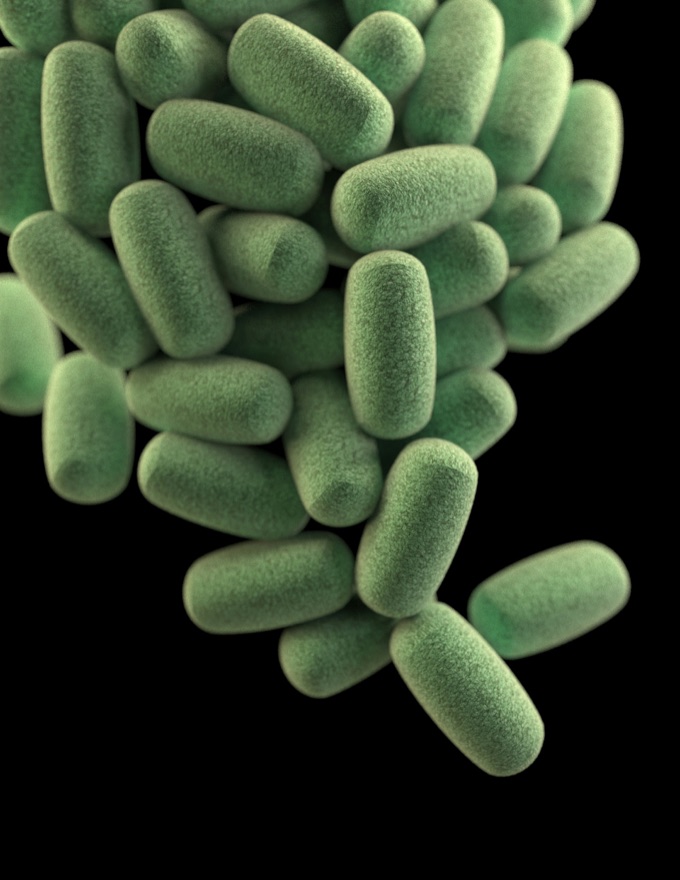
Probiotics are live microorganisms that, taken in adequate amounts, confer a health benefit. Most are bacteria from the Lactobacillus and Bifidobacterium families, plus one important yeast, Saccharomyces boulardii. The idea is intuitive: your gut houses trillions of microbes that influence digestion, immunity and more, so topping up "good" ones should help.
But here's the rule that the entire category depends on and the marketing obscures: effects are strain-specific and condition-specific. A probiotic isn't a single thing — it's thousands of different organisms, and evidence for one strain doing one job says nothing about a different strain doing a different job. Saying "probiotics are good for you" is as vague as saying "drugs are good for you." The useful question is always: which strain, for which condition, at what dose?
2. Genes & your microbiome — not the lever you'd think
People assume their gut microbiome is written in their DNA. It largely isn't. Your microbiome is shaped far more by diet, environment, medications, age and how you were born and fed as a baby than by your genes. Host genetics have only a modest influence on which microbes flourish — so this is a domain where "personalise it by your DNA" is mostly overstated.
There's one clear, real exception worth knowing: MCM6/LCT, the lactase-persistence gene, determines whether you keep digesting lactose into adulthood — and that genuinely shapes both your dairy tolerance and the abundance of lactose-loving microbes like Bifidobacterium in your gut. (Secretor status via the FUT2 gene is another host factor affecting gut microbes.) But even these don't tell you which probiotic to take. They describe your gut's terrain, not your prescription.
We rate probiotics strong for a handful of well-studied strain × condition pairs — most robustly preventing antibiotic-associated diarrhoea (e.g. S. boulardii, L. rhamnosus GG) and easing some IBS symptoms with specific strains. We rate them weak for the generic promises — daily "immune support," "detox," weight loss, or routine use in healthy people. The genetic angle is Tier 3: your microbiome is mostly diet and environment, and no gene tells you which probiotic to buy. MCM6/LCT is a genuine but narrow host-gut link. Our honest guidance: use a specific, studied product for a specific reason, and feed your own microbes with diet first.
3. Where they work — and where they don't
Preventing antibiotic-associated diarrhoea (S. boulardii, L. rhamnosus GG), shortening acute infectious diarrhoea, and relieving some IBS symptoms with particular strains. In clinical settings, certain strains also help conditions like pouchitis and, in premature infants, necrotising enterocolitis.
Daily "gut health" in healthy people, "immune boosting," detox, weight loss, and most mood/mental-health claims (the "psychobiotics" field is early). Popular, heavily marketed, thin on evidence. A generic multi-strain tub taken "just in case" has little to justify it.
4. Three inconvenient truths
Beyond strain-specificity, three findings reshape how you should think about probiotics:
Most probiotics don't permanently colonise your gut — they pass through. Stop taking them and their effect generally fades. They're a treatment you maintain, not a one-off reseeding of your microbiome.
Research shows some people's guts are "resistant" to colonisation by a given probiotic while others are "permissive" — determined by their existing microbiome and host features. The same product can take in one person and wash straight through another.
Counterintuitively, one careful study found that taking probiotics after antibiotics delayed the return of the native gut microbiome compared with letting it recover on its own. "Repopulate after antibiotics" is more complicated than the label suggests — the strongest antibiotic-related evidence is for preventing diarrhoea during the course, not blanket post-course reseeding.
5. Choosing one: strain, dose & viability
Match the strain to the evidence
The single most important step: pick a product naming the specific strain (e.g. Lactobacillus rhamnosus GG, Saccharomyces boulardii CNCM I-745) shown to work for your purpose. A strain is written genus–species–strain; if the label only says "Lactobacillus blend," you can't match it to any study.
CFU (dose) — more isn't automatically better
Dose is measured in colony-forming units (CFU), usually billions. Use the dose the studies for that strain used — a bigger number isn't inherently better, and "50 billion, 12 strains!" is often a marketing flex, not evidence.
Viability & storage
Probiotics are live, so they can die before you take them. Check the label guarantees CFU through end of shelf life (not just "at manufacture"), and follow storage/refrigeration instructions.
6. Food first — feed your own microbes
For most healthy people, the best "gut health" move isn't a probiotic pill at all — it's feeding the microbes you already have. That means fibre and prebiotics (the food your gut bacteria ferment) and, above all, a diversity of plants — different vegetables, fruits, legumes, whole grains, nuts and seeds. Fermented foods — yogurt, kefir, kimchi, sauerkraut, miso — deliver live cultures alongside nutrients, and some evidence links a fermented-food-rich diet to greater microbiome diversity. Diet shapes your microbiome far more powerfully and durably than a capsule, and it's where the healthy-person effort belongs.
7. Using them well
Because probiotics are strain- and purpose-specific, the "protocol" is really a decision process, not a universal dose. Pick a named strain with evidence for your specific goal, at the studied CFU, and give it a defined trial for that purpose. If you're taking an antibiotic and want to reduce diarrhoea risk, a strain like S. boulardii alongside the course has the best support.
Have a specific reason (antibiotic course, IBS, traveller's diarrhoea) → choose the specific strain studied for it at the right CFU, and stop if it isn't helping. Just want "gut health"? Skip the generic tub and invest in fibre, plant diversity and fermented foods instead — more effect, less cost. Reassess rather than taking a probiotic indefinitely by habit.
8. Safety
For healthy people, probiotics are generally very safe, with mild, temporary gas or bloating the usual complaint. The serious cautions are for specific groups: people who are severely immunocompromised, critically ill, or have central venous catheters should avoid them unless a doctor advises otherwise, because of rare cases of bloodstream infection (bacteraemia or fungaemia) from the organisms themselves. Product quality also varies — actual strain and CFU don't always match the label. Check with a doctor before use if you have a serious illness, a compromised immune system, or are caring for a premature infant.
9. The science
10. References
- Hempel S, Newberry SJ, Maher AR, et al. Probiotics for the prevention and treatment of antibiotic-associated diarrhea: a systematic review and meta-analysis. JAMA. 2012;307(18):1959-1969. PMID: 22570464.
- Ford AC, Quigley EM, Lacy BE, et al. Efficacy of prebiotics, probiotics, and synbiotics in irritable bowel syndrome: systematic review and meta-analysis. Am J Gastroenterol. 2014;109(10):1547-1561. PMID: 25070051.
- Zmora N, Zilberman-Schapira G, Suez J, et al. Personalized gut mucosal colonization resistance to empiric probiotics is associated with unique host and microbiome features. Cell. 2018;174(6):1388-1405. PMID: 30193112.
- Suez J, Zmora N, Zilberman-Schapira G, et al. Post-antibiotic gut mucosal microbiome reconstitution is impaired by probiotics and improved by autologous FMT. Cell. 2018;174(6):1406-1423. PMID: 30193113.
11. Related reading
Your gut is mostly diet, not destiny
Your microbiome is shaped far more by what you eat than by your genes — but host factors like your MCM6 lactose genetics still colour how you handle dairy and which microbes thrive. KortexDNA reads the genes that genuinely matter for digestion, so you can build a gut strategy on evidence, not probiotic hype.
Get Your ReportIf you believe any information in this article is inaccurate or outdated, please let us know. We continuously review and update our content based on the latest peer-reviewed research to ensure the highest accuracy.