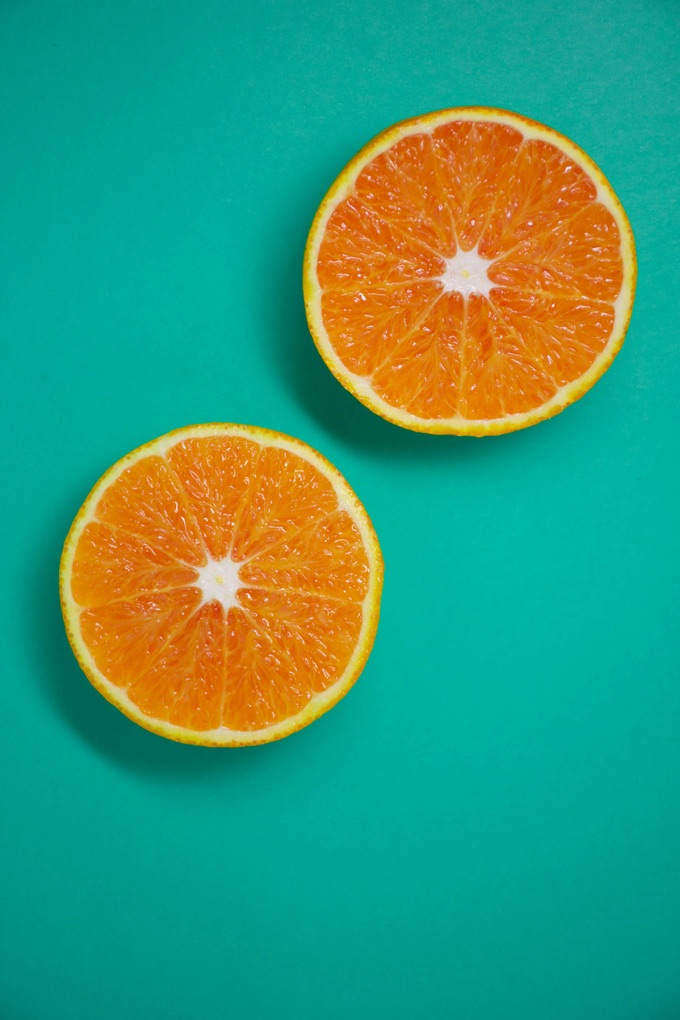
Vitamin C: Essential, Oversold for Colds, and Wasted in Megadoses
Vitamin C is a genuine essential — run out and you get scurvy — but it's also the poster child for supplement myth-making. It won't stop you catching colds, your body throws away most of a big dose, and yet its quieter, real jobs (building collagen, unlocking iron from plants) are barely mentioned on the label. Here's what vitamin C actually does, how much you truly need, and where your genes matter.
1. What vitamin C does — the real jobs
Vitamin C (ascorbic acid) is a water-soluble essential vitamin — "essential" because, unlike most animals, humans can't make our own (we lost the gene for it long ago) and must get it from food. Its most fundamental role is as a cofactor for building collagen, the structural protein of skin, blood vessels, gums and connective tissue. That's why severe deficiency causes scurvy — bleeding gums, poor wound healing, fatigue — essentially a collapse of collagen. It's also a major antioxidant, helps make neurotransmitters, and dramatically boosts absorption of iron from plant foods.
Those last two jobs — collagen cofactor and iron enhancer — are vitamin C's most useful, most evidence-based roles, and ironically the ones no cold-and-flu ad mentions. The vitamin's reputation got hijacked by a single, largely mistaken idea.
2. The cold myth, settled
The belief that vitamin C fights colds traces to Nobel laureate Linus Pauling, who championed megadoses in the 1970s. Decades of trials have now given a clear, if deflating, verdict. For the general population, regular vitamin C does not prevent colds — you catch just as many. What it does, taken regularly beforehand, is slightly shorten them (on the order of 8% shorter in adults, a bit more in children) and modestly ease symptoms. And crucially, starting vitamin C after you already feel a cold coming on doesn't reliably help at all.
There's one real exception: people under extreme, brief physical stress — marathon runners, skiers, soldiers in the cold — did see their cold risk roughly halved with regular vitamin C. For everyone else, the honest summary is: it won't stop your colds, might make them marginally shorter if you were already taking it, and megadosing at the first sniffle is largely folklore.
3. Genes & vitamin C — modest, with one iron twist
Genetics plays a modest role here. Variants in SLC23A1 — a gene coding one of the transporters that pulls vitamin C into your tissues — are associated with differences in circulating vitamin-C levels, meaning some people run a little lower for the same intake. It's a real but small effect, not a reason to megadose.
The more practical genetic angle is indirect, through iron. Because vitamin C strongly increases absorption of non-heme (plant) iron, it interacts with your iron genetics: for people carrying HFE variants that already cause iron over-absorption (hereditary haemochromatosis), routinely taking large vitamin-C doses with iron-rich meals can push iron loading further — a genuine, if niche, caution. For most people this iron-boosting effect is a benefit (especially vegetarians); for iron-overload genotypes it's something to be mindful of.
Vitamin C is Tier-1 essential against deficiency, but we rate the popular reasons for supplementing it weak: it doesn't prevent colds, and megadoses are largely wasted because absorption saturates. Its underrated, well-supported roles are as a collagen cofactor and an iron-absorption booster — both Tier-2 useful. The genetic angle is Tier 3: SLC23A1 nudges your levels a little, and the iron-absorption effect matters for HFE iron-overload carriers. Our guidance: get enough (easy from food), skip the megadoses, and value vitamin C for building collagen and unlocking iron rather than as cold insurance.
4. Why megadoses are wasted
Here's the physiology the "more is better" crowd misses. Your gut's absorption of vitamin C is tightly regulated and saturable: at intakes around 100–200 mg/day your blood levels are already near maximum, and beyond that, absorption efficiency drops and your kidneys simply excrete the surplus. A 1000 mg tablet doesn't give you ten times the vitamin C in your tissues — it largely gives you expensive urine. Worse, very high doses can cause digestive upset and, in susceptible people, kidney stones. With vitamin C, past a modest point, more isn't better — it's just wasted, and occasionally harmful.
5. Who actually needs more
Smokers (oxidative stress raises requirements — the RDA is higher for them), people with very limited diets or malabsorption, and those under extreme physical stress. This is where deficiency risk or a real supplemental case exists.
Anyone eating fruit and vegetables regularly. A single orange, kiwi, or serving of peppers or broccoli meets or exceeds the daily requirement. For most people with a normal diet, a vitamin-C supplement adds little you weren't already getting.
6. Forms & the marketing extras
Ascorbic acid
Plain, cheap, and exactly what the studies used. For almost everyone it's all you need — the body doesn't much care whether the vitamin C came from a pricey formula or a plain tablet.
"Buffered" / mineral ascorbates & liposomal
Buffered forms (e.g. sodium/calcium ascorbate) are marketed as gentler on the stomach, which can help at higher doses; liposomal versions claim better absorption. Reasonable if plain ascorbic acid upsets your gut, but for normal doses the premium mostly buys marketing.
With bioflavonoids
Often added to "boost" vitamin C; the evidence that they meaningfully improve its effect in humans is thin. Nice-sounding, not decisive.
7. Food — where it's easiest to get
Vitamin C is one of the easiest nutrients to obtain from food, and food is the better source because it comes packaged with fibre and other beneficial compounds. Rich sources include citrus fruits, kiwi, strawberries, bell peppers, broccoli, Brussels sprouts, tomatoes and potatoes — a single serving of many of these covers a full day's requirement. It is, however, heat- and water-sensitive, so heavy boiling leaches and destroys some; light cooking, steaming or raw preserves more. For the vast majority of people, "eat some fruit and veg" is a complete vitamin-C strategy — no bottle required.
8. Dosing & safety
The daily requirement is about 75–90 mg (higher for smokers), and blood levels are essentially maxed by ~200 mg/day. If you choose to supplement, 200–500 mg/day is more than sufficient; there's no good reason to routinely exceed ~1000 mg. Vitamin C is very safe — being water-soluble, excess is excreted — but high doses can cause diarrhoea and stomach upset, may raise kidney-stone risk in predisposed people, can interfere with some blood tests (including glucose meters), and increase iron absorption (see HFE). Take it with food for the iron benefit, keep the dose sensible, and check with a doctor if you have kidney disease, iron overload, or take medication.
9. The science
10. References
- Levine M, Conry-Cantilena C, Wang Y, et al. Vitamin C pharmacokinetics in healthy volunteers: evidence for a recommended dietary allowance. Proc Natl Acad Sci USA. 1996;93(8):3704-3709. PMID: 8623000.
- Padayatty SJ, Sun H, Wang Y, et al. Vitamin C pharmacokinetics: implications for oral and intravenous use. Ann Intern Med. 2004;140(7):533-537. PMID: 15068981.
- Timpson NJ, Forouhi NG, Brion MJ, et al. Genetic variation at the SLC23A1 locus is associated with circulating concentrations of L-ascorbic acid (vitamin C). Hum Mol Genet. 2010;19(11):2394-2400. PMID: 20338732.
- Hemilä H, Chalker E. Vitamin C for preventing and treating the common cold. Cochrane Database Syst Rev. 2013;(1):CD000980. PMID: 23440782.
11. Related reading
Do you actually need to supplement?
Vitamin C is a good example of a nutrient most people already get enough of — and whether extra helps depends on your diet, your habits (smoking) and even your iron genetics. KortexDNA reads the genes that shape your nutrient needs so you can spend on what moves your health, not on cold-season habit.
Get Your ReportIf you believe any information in this article is inaccurate or outdated, please let us know. We continuously review and update our content based on the latest peer-reviewed research to ensure the highest accuracy.