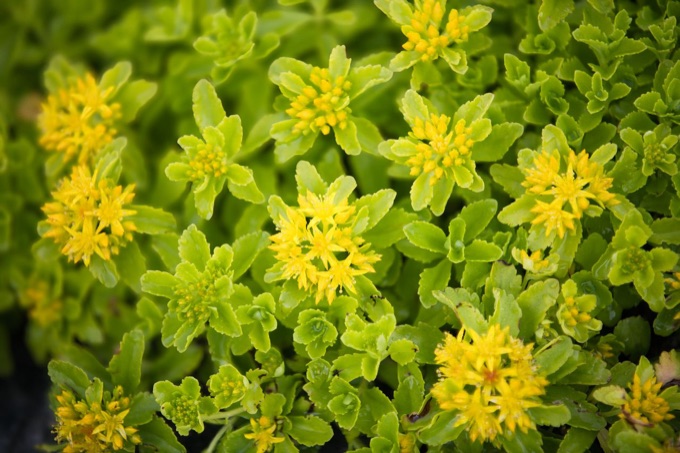
Rhodiola: The Adaptogen for Exhaustion, Not Anxiety
If ashwagandha is the calming adaptogen, rhodiola is the energizing one — its strongest evidence is for fighting the mental and physical fatigue of stress and burnout. It's the herb for feeling wrung-out and foggy, not for feeling wired and anxious. Here's what the trials actually show, how it differs from ashwagandha, and the honest limits of what your genes can say about it.
1. What rhodiola is — and its anti-fatigue niche
Rhodiola rosea is a hardy arctic-mountain plant used for centuries in Russian and Scandinavian folk medicine, and — like ashwagandha — it's classed as an adaptogen, a plant said to help the body resist stress. Its active compounds, rosavins and salidroside, appear to work on your monoamine systems (serotonin, dopamine, noradrenaline) and the stress-hormone axis, which points to its particular strength.
That strength is fatigue. Rhodiola's best-supported effect is reducing the mental and physical exhaustion that comes with prolonged stress — the foggy, wrung-out, "running on empty" state. The clearest trials were done in exactly those conditions: doctors working night shifts, students cramming for exams, and people with stress-related burnout, where rhodiola improved fatigue, concentration and mental performance. It leans gently stimulating rather than sedating, which is the key to how it's used.
2. Genes & rhodiola — an honest, indirect link
As with other adaptogens, we'll be straight: there's no established gene variant that predicts your response to rhodiola. It's a botanical acting on several neurotransmitter and stress pathways at once, not a nutrient with a clean genetic switch. Nobody can genotype you and promise rhodiola will work.
What genetics adds is context about the systems it touches. FKBP5 shapes how your HPA (cortisol) axis recovers from stress, and COMT influences your dopamine tone — both part of the stress-and-fatigue machinery rhodiola modulates. So your DNA can describe how your stress physiology is wired and how prone you are to the burned-out state rhodiola targets — useful framing, but not a verdict on the herb itself.
We rate rhodiola Tier 2 for stress-related fatigue and burnout — its standout, best-evidenced use — and Tier 2–3 for mild depression, where early trials are promising (including one where it was gentler than sertraline, if less powerful). We rate it Tier 3 for physical exercise performance: mixed and unconvincing. The genetic link is Tier 3 (indirect): FKBP5 and COMT describe your stress and dopamine wiring, not your rhodiola response. We'll show you that stress-physiology picture — and be honest that choosing rhodiola is about your symptoms (fatigue vs anxiety), not your genotype.
3. Rhodiola vs ashwagandha — which adaptogen?
Fatigue, burnout, mental fog, low energy and drive under sustained stress. If you feel depleted — flat, exhausted, struggling to concentrate — rhodiola's energizing, anti-fatigue profile is the better match. Take it in the morning.
Anxiety, racing mind, high cortisol, trouble winding down or sleeping. If you feel over-aroused, ashwagandha's calming, cortisol-lowering profile fits better — and rhodiola's stimulating edge could make you worse. Different problems, different herbs.
This calm-vs-energize split is the single most useful thing to get right. Many people try "an adaptogen" generically, pick the wrong one for their symptom, and conclude adaptogens don't work. Match the herb to the state: rhodiola for the flat and exhausted, ashwagandha for the tense and anxious.
4. Forms & standardisation
Standardised extract (the one that matters)
The trials used standardised extracts — most famously the SHR-5 extract — typically standardised to about 3% rosavins and 1% salidroside. This ratio matters: much of the raw "rhodiola" on the market is under-standardised or adulterated, so look for a product that names its rosavin and salidroside content.
Raw powder & teas
Traditional but unstandardised — potency is a lottery, and adulteration with cheaper related species is a known problem in this supplement. Fine as folk use, unreliable if you want the studied effect.
Blends
Rhodiola turns up in "stress" and "energy" formulas, often under-dosed or without a stated rosavin/salidroside spec. If the label won't tell you the standardisation, treat it as decorative.
5. Not a food — and what comes first
Rhodiola isn't a food or a nutrient — it's a botanical you add on purpose, so the framing is like ashwagandha's: it sits on top of the basics, and the basics do more. Chronic fatigue and burnout respond most to sleep, workload, recovery, daylight, movement and actually reducing the stressors driving the exhaustion. A herb that nudges your stress physiology can support that, but it can't substitute for fixing an unsustainable schedule. Address the cause first; use rhodiola as a possible assist for the fatigue while you do.
6. Dosing, timing & the sleep catch
Typical doses are 200–600 mg/day of a standardised extract. Unlike a slow-loading supplement, rhodiola can have relatively quick, even acute effects on fatigue and alertness, and it's often used short-term during demanding periods. The important practical rule follows from its stimulating nature: take it in the morning (or early afternoon at the latest) — dosing it late can disrupt sleep, which would defeat the entire point for a fatigued person.
Start at the low end (~200 mg) of a properly standardised extract (3% rosavins / 1% salidroside), taken in the morning on an empty stomach. Use it through a demanding stretch and judge it over a couple of weeks. If it makes you jittery or wrecks your sleep, lower the dose or move it earlier — those are signs you're overshooting its energizing effect.
7. Safety
Rhodiola is generally well tolerated in trials, with the most common issues being jitteriness, over-activation or insomnia — the flip side of its stimulating effect, usually fixed by lowering the dose or taking it earlier. The meaningful cautions: it may have mild MAO-inhibiting activity, so there's a theoretical interaction with antidepressants (and it shouldn't be combined with them without medical advice); people with bipolar disorder should be cautious given its activating, mood-lifting effect; and, as with any botanical, avoid in pregnancy and check with a doctor if you take medication. Product quality and adulteration are a real-world concern — buy from reputable brands.
8. The science
9. References
- Darbinyan V, Kteyan A, Panossian A, et al. Rhodiola rosea in stress-induced fatigue — a double-blind cross-over study of a standardized extract SHR-5 in healthy physicians during night duty. Phytomedicine. 2000;7(5):365-371. PMID: 11081987.
- Spasov AA, Wikman GK, Mandrikov VB, et al. A double-blind, placebo-controlled pilot study of the stimulating and adaptogenic effect of Rhodiola rosea SHR-5 extract on the fatigue of students. Phytomedicine. 2000;7(2):85-89. PMID: 10839209.
- Olsson EM, von Schéele B, Panossian AG. A randomised, double-blind, placebo-controlled, parallel-group study of the standardised extract SHR-5 of Rhodiola rosea in subjects with stress-related fatigue. Planta Med. 2009;75(2):105-112. PMID: 19016404.
- Mao JJ, Xie SX, Zee J, et al. Rhodiola rosea versus sertraline for major depressive disorder: a randomized placebo-controlled trial. Phytomedicine. 2015;22(3):394-399. PMID: 25837277.
10. Related reading
Tired, or wired?
Choosing the right adaptogen starts with knowing your stress physiology — whether you tend toward burnout and fatigue or tension and anxiety. KortexDNA reads your FKBP5, COMT and related stress genes so you can match the herb to how your system actually runs, instead of guessing.
Get Your ReportIf you believe any information in this article is inaccurate or outdated, please let us know. We continuously review and update our content based on the latest peer-reviewed research to ensure the highest accuracy.